
Seasonal Tips for Garden Preparation
Preparing your garden for each season is essential to keep it healthy and thriving. I have learned that good garden care is about timing, knowing what to do, and using the right methods. This guide will walk you through practical steps for seasonal garden preparation. You will find clear advice and simple actions to take throughout the year.
Understanding Seasonal Garden Preparation
Seasonal garden preparation means adjusting your gardening tasks to the changing weather and plant needs. Each season brings different challenges and opportunities. Preparing your garden properly helps plants grow strong, prevents diseases, and keeps your outdoor space attractive.
Here are some key points to remember:
Spring is for planting and feeding.
Summer focuses on watering and pest control.
Autumn is about cleaning and protecting.
Winter involves planning and minimal maintenance.
By following these seasonal steps, you can avoid common problems and enjoy a beautiful garden all year round.
How to Prepare Your Garden for Each Season
Spring Preparation
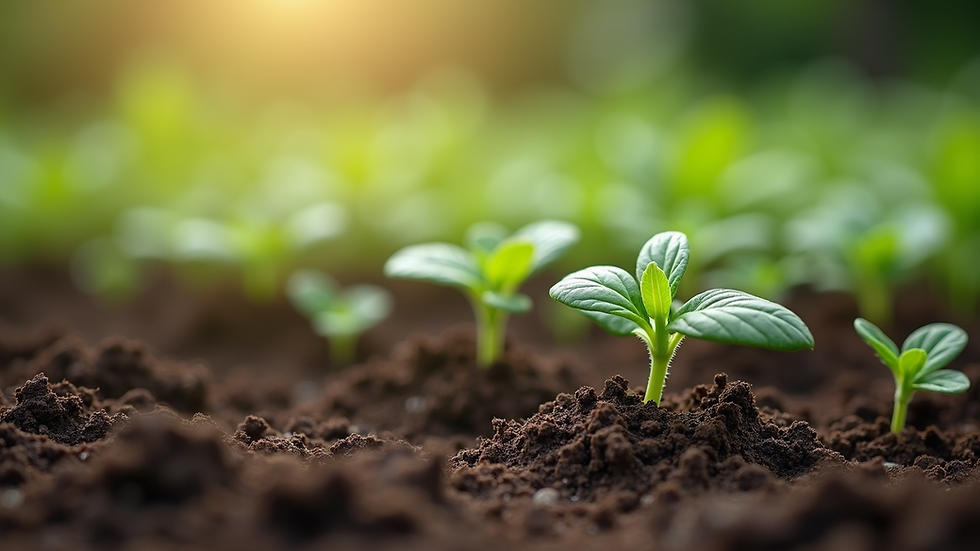
Spring is the time to wake your garden up. Start by clearing away dead leaves and old mulch. This helps prevent pests and diseases. Next, prepare your soil by turning it over and adding compost or organic fertiliser. This boosts nutrients and improves soil structure.
Plant new flowers, vegetables, and shrubs suited to the local climate. Water them well after planting. Mulch around plants to keep moisture in and weeds out. Check your garden tools and repair or replace any that are worn.
Summer Preparation
Summer requires careful watering. Early morning or late afternoon watering reduces evaporation. Use drip irrigation or soaker hoses to deliver water directly to roots. Avoid wetting leaves to prevent fungal diseases.
Keep an eye out for pests like aphids and caterpillars. Use natural remedies or insecticidal soap if needed. Deadhead flowers regularly to encourage more blooms. Prune overgrown shrubs to maintain shape and airflow.
What to do in the garden in autumn?
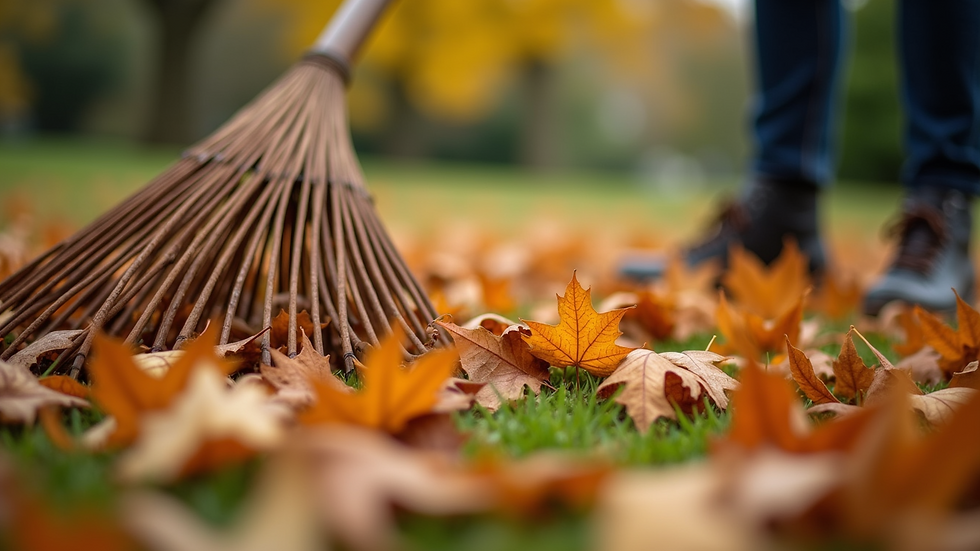
Autumn is a critical time for garden preparation. Start by raking fallen leaves and removing dead plants. Compost these materials if possible. This keeps your garden tidy and reduces disease risk.
Plant bulbs for spring flowering. Choose varieties that thrive in your region. Protect young plants from early frosts by covering them with frost cloths or garden fleece.
Prune deciduous trees and shrubs after they lose their leaves. This encourages healthy growth next year. Apply a layer of mulch to protect roots from cold and retain soil moisture.
Winter Preparation
Winter is a quieter time in the garden but still important. Use this time to plan your garden layout and order seeds for spring. Check for any damage to fences, garden beds, or irrigation systems and fix them.
Protect sensitive plants by moving pots indoors or wrapping outdoor plants with burlap. Avoid walking on wet soil to prevent compaction. Keep bird feeders filled to attract wildlife that helps control pests.
Practical Tips for Year-Round Garden Success
To keep your garden in top shape, follow these simple tips:
Regularly check soil moisture to avoid over or under-watering.
Use mulch to conserve water and suppress weeds.
Rotate crops in vegetable gardens to prevent soil depletion.
Keep tools clean and sharp to make gardening easier and safer.
Monitor plants for signs of stress or disease and act quickly.
If you want expert help with your garden, consider professional seasonal garden care. They can provide tailored advice and services to keep your garden healthy all year.

Preparing Your Garden for the Mornington Peninsula Climate
The Mornington Peninsula has a unique climate with mild winters and warm summers. This means your garden needs specific care to thrive. Here are some local tips:
Choose native plants that tolerate dry summers and occasional frost.
Water deeply but less often to encourage strong root growth.
Use organic mulch like bark or straw to protect soil and retain moisture.
Plant drought-resistant vegetables such as tomatoes, beans, and herbs.
Watch for local pests like snails and slugs, and manage them early.
By adapting your garden preparation to the local climate, you ensure better results and less stress on your plants.
Final Thoughts on Seasonal Garden Preparation
Good garden preparation is about being proactive. Each season requires different tasks, but all contribute to a healthy garden. By following these practical steps, you can enjoy a thriving garden that looks great and supports local wildlife.
Remember to adjust your care to the weather and plant needs. Use mulch, water wisely, and prune regularly. Keep your tools ready and your soil healthy. If you need extra help, professional seasonal garden care services can make a big difference.
Start your seasonal garden preparation today. Your garden will thank you with beauty and bounty all year long.
Comments